

Take a risk!

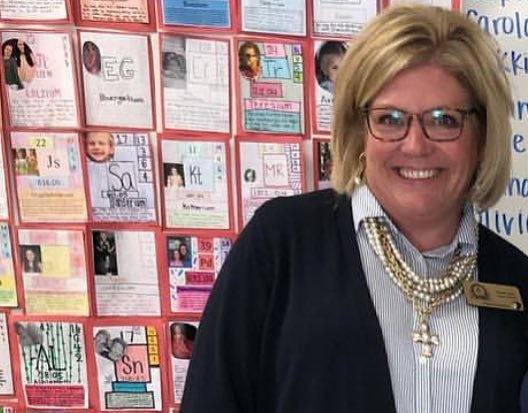
I am taking a risk. Something I always encourage my students to do. After teaching for over 25 years in formal and informal settings, I'm venturing out on my own to hopefully help other teachers find ways to make science teaching and learning more fun. As I write this a friend who teaches kindergarten is texting me for ideas on teaching about volcanos. Some of the standard stuff just isn't working for her. I want to help her and other teachers figure out their goals and help fit science to those goals. Kids are naturally curious and somewhere in late middle school, we take that natural curiosity and turn it off. Finding ways to make learning both meaningful and fun is my specialty. Let me help you. Take a risk and ask for help and admit what you need help with when it comes to science teaching. There is no wrong answer -- only answers and ideas that help you and your students love learning.


Thinking about reading short-term loan terms carefully, I find the smaller practical questions more interesting than a quick conclusion. The amount borrowed does not describe the full cost or the repayment conditions. I would keep that thought nearby when looking for ideas about short term loan literacy. I am still thinking through the details, and a small example would help me picture how this works in practice. Which terms need the clearest explanation for a first-time reader of a loan offer?
What draws my attention to understanding casino rules and probability is the possibility of making an unfamiliar subject feel closer to everyday life. A game's presentation can distract from the rules that determine how outcomes are produced. I would keep that thought nearby when looking for ideas about casino probability literacy. I would be interested in a simple example, because it is often the ordinary details that make an idea memorable. What should a beginner understand about chance before interpreting a result?
The subject of supporting independent study in secondary school feels more interesting when there is room for a reader to stop and ask their own questions. A clear plan for reviewing work can make revision more deliberate. That connection helps me see why secondary independent study can be worth a closer look. I would be interested in a simple example, because it is often the ordinary details that make an idea memorable. How can a learner identify what to practise instead of simply rereading everything?
A conversation about finding a comfortable rhythm for school learning seems most useful to me when it leaves space for uncertainty and further questions. Small consistent habits can help pupils return to a task after a distraction. It gives me a more concrete starting point for thinking about school learning routines. I am still thinking through the details, and a small example would help me picture how this works in practice. Which routines encourage focus while still allowing an occasional change of pace?
Considering discovering Slavic languages and cultural connections, I keep coming back to the difference between knowing about an idea and putting it into practice. Comparing familiar-looking words can reveal both connections and differences between languages. For me, that is a useful way into the broader subject of Slavic language learning. I would be interested in a simple example, because it is often the ordinary details that make an idea memorable. How would you help learners avoid assuming that similar words always mean the same thing?